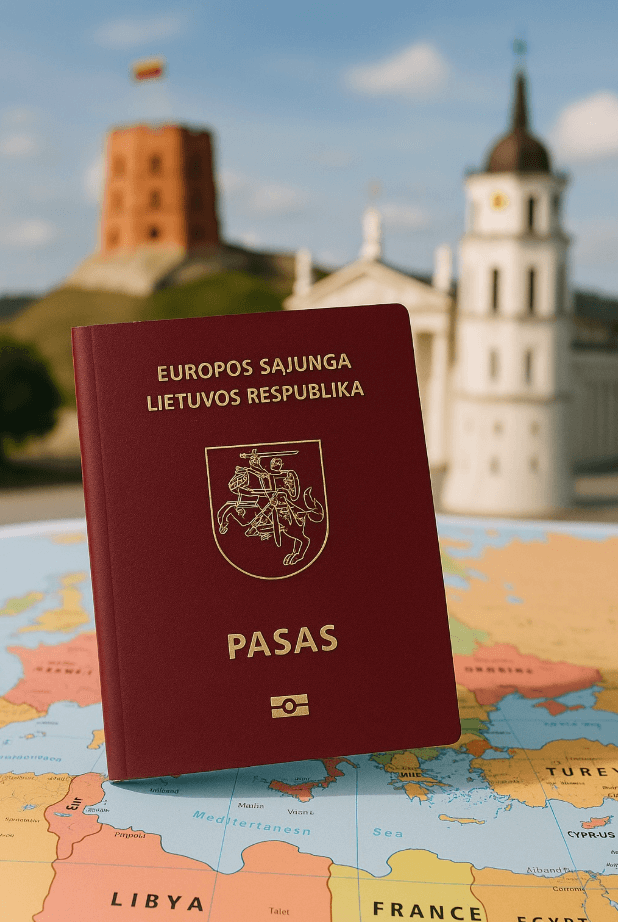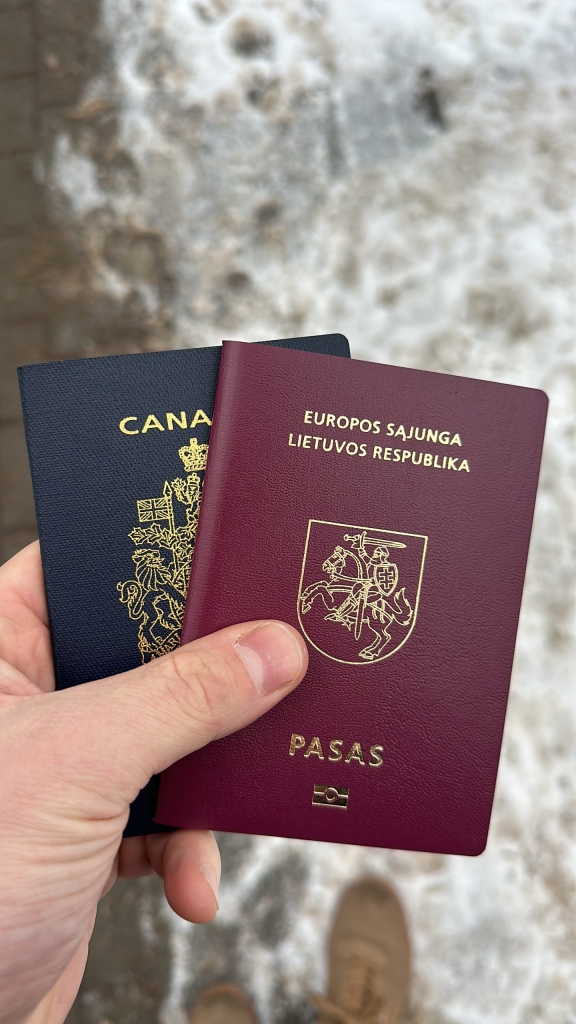
As a legal expert frequently interacting with clients, I often come across questions about whether to obtain a Lithuanian Personal ID Card in addition to, or as a replacement for, a Lithuanian passport. The decision largely hinges on each individual’s specific needs and circumstances. Reflecting on my recent participation in a meeting of a Commission of the Seimas of the Republic of Lithuania and the Lithuanian World Community, where many significant practical topics updates were discussed, I am compelled to share insights on the main differences and advantages of each option specifically in the field of the electronic signature / e.services accessibility.
Electronic Signature Capability with Personal ID Card
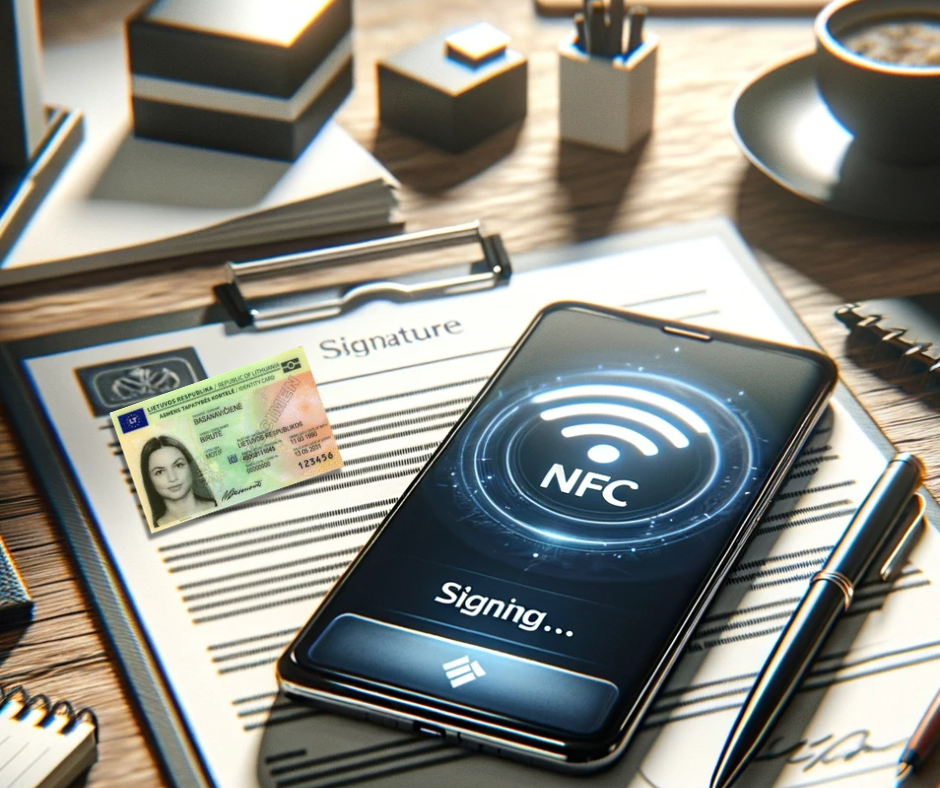
One of the key features of the Lithuanian Personal ID Card, especially those issued after 2021, is its capability to function as an electronic signature. This functionality is enabled through Near Field Communication (NFC) technology on a smartphone, along with the mCard LTU app. This integration vastly simplifies the process of managing accounts in Lithuanian banks and accessing a variety of electronic services, providing a significant benefit for those living abroad without access to Lithuanian diplomatic services.
Upcoming Developments for Passports
Looking forward, the Center of Registers (Lithuania) is in the process of developing a new electronic signature tool. This innovation is not limited to the Personal ID Card alone. It will also be compatible with any valid Lithuanian passport, significantly expanding the accessibility and convenience of services for passport holders.
Practical Benefits of the Personal ID Card
The Personal ID Card offers practical benefits due to its small size, portability, and convenience. It is an essential document for residents within Lithuania and the European Union (EU). Notably, it facilitates travel within the Schengen Area without the need for a passport, offering ease and efficiency in cross-border mobility.
In conclusion, for individuals who frequently travel within Europe or require regular access to electronic services, possessing a Lithuanian Personal ID Card is highly advantageous. Its decade-long validity and comparatively low issuance cost make it an attractive option. Nonetheless, it’s important to acknowledge that standard passports will soon be equipped to offer full remote personal identification for electronic services. This upcoming feature provides a practical alternative to the Personal ID Card, broadening the choices for Lithuanian citizens and residents.

Dainius Ambrazaitis
Head of the Citizenship Practice at IN IURE Law Firm, Vilnius, Lithuania
Start your journey now
Restoring Lithuanian citizenship is a meaningful step — whether to reconnect with your heritage, access EU opportunities, or secure your family’s future.
Consult with Dainius